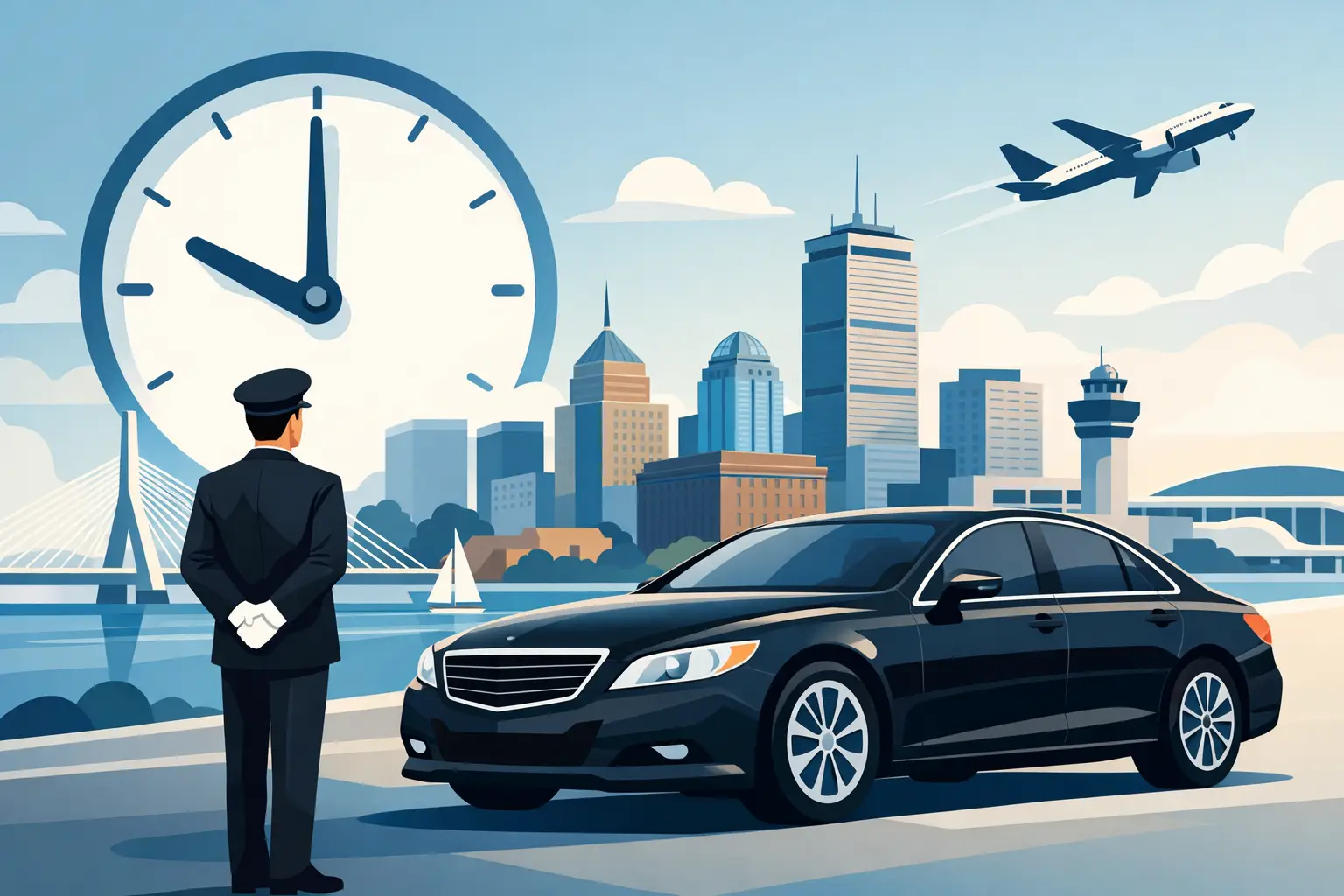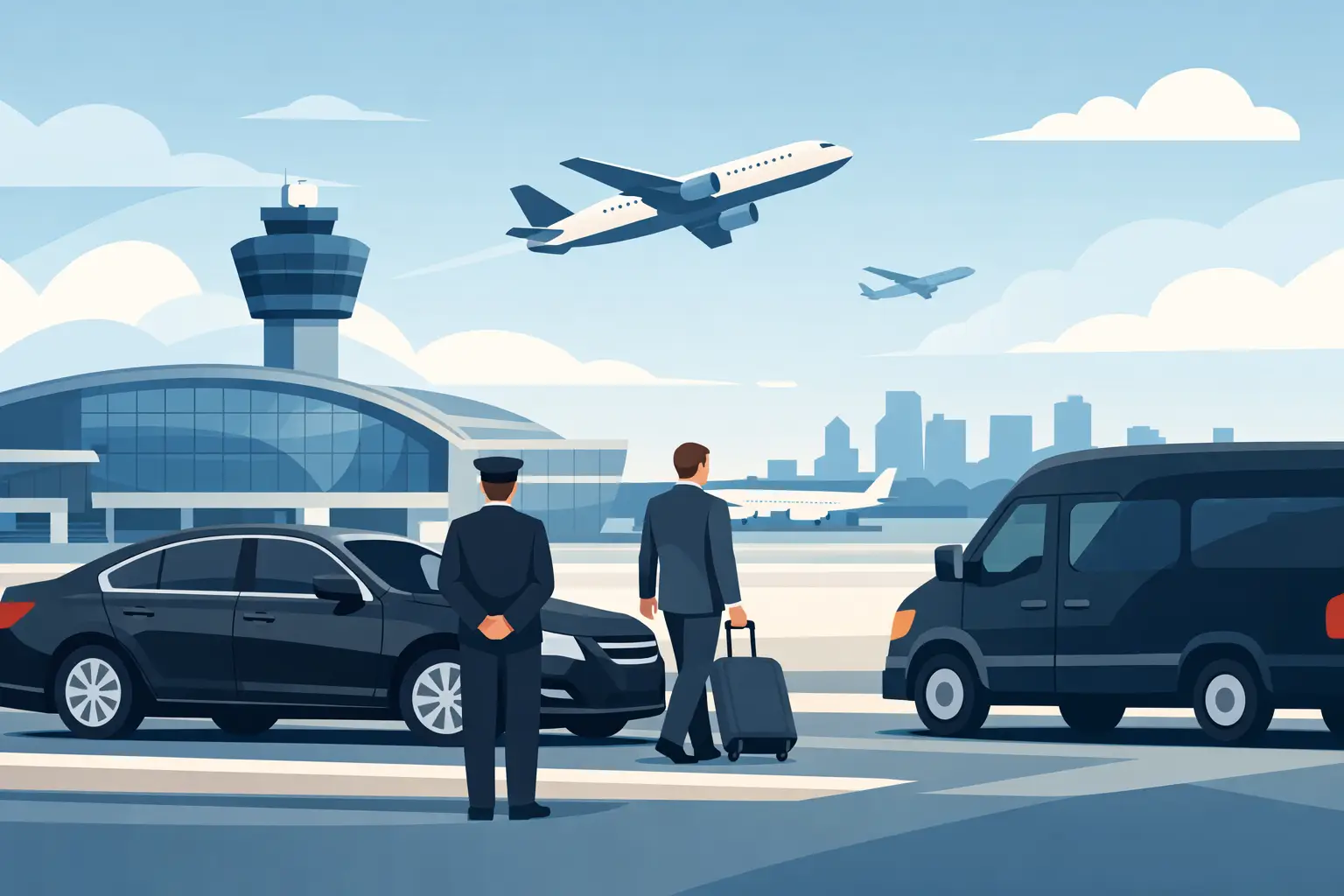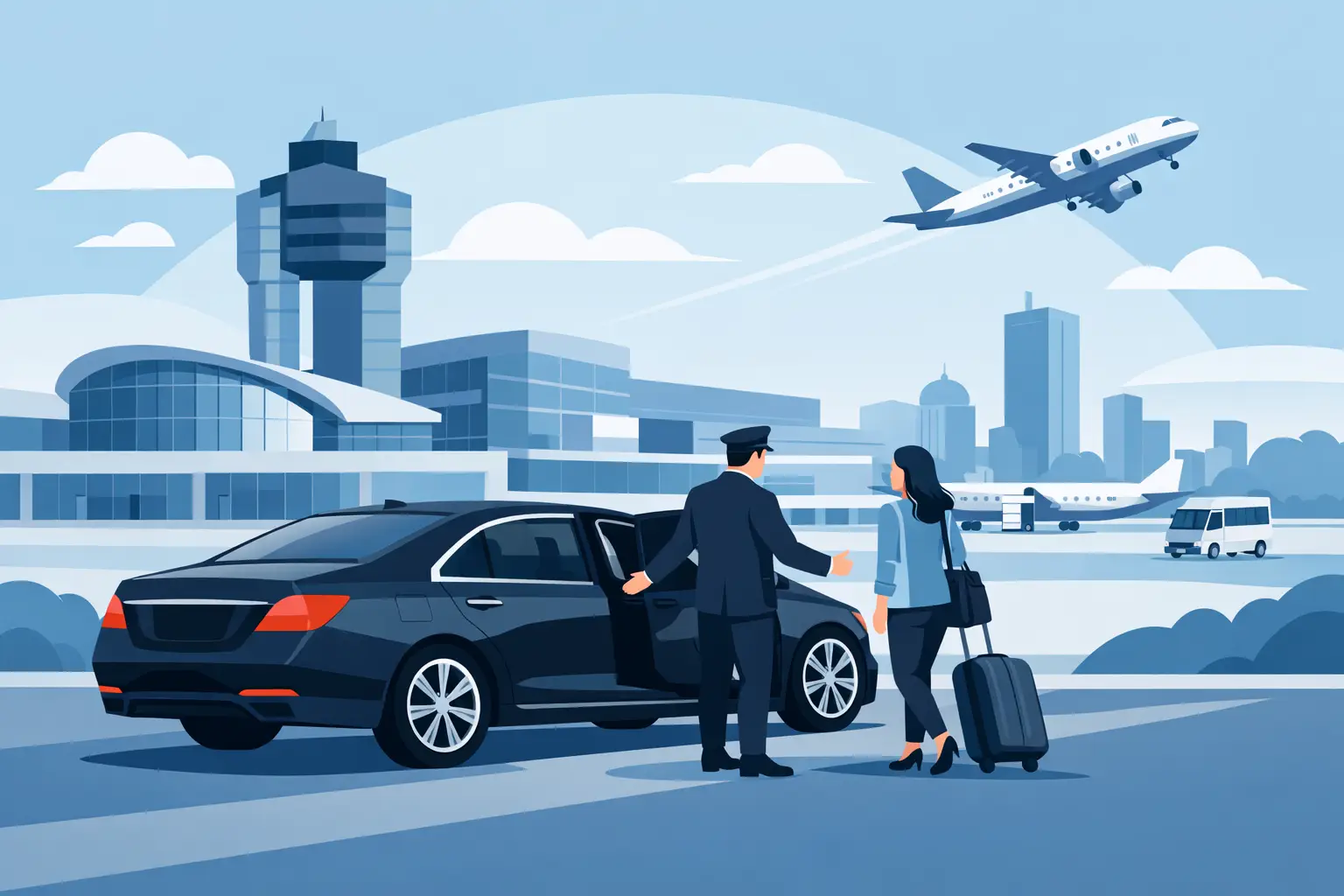
A missed pickup in Boston rarely stays a small problem. It turns into a late arrival at Logan, a rushed client meeting in Back Bay, or an executive stepping out of the wrong vehicle at exactly the wrong moment. That is why corporate transportation Boston companies rely on has to do more than move people from point A to point B. It has to protect time, image, and the pace of business.
For corporate travelers, transportation is part of the workday. The ride sets the tone before a meeting, creates a private space between appointments, and removes the friction that comes with traffic, parking, and unpredictable app-based availability. In a city where schedules tighten fast and streets do not always cooperate, professional car service is less about luxury for its own sake and more about control.
What corporate transportation in Boston really needs to deliver
Boston presents a specific challenge. The city is compact, but the movement around it is not simple. Financial District meetings, Seaport events, Cambridge office visits, and Logan Airport transfers can all happen in a single day. Add weather, tunnel traffic, event congestion, and flight changes, and a basic ride arrangement starts to look fragile.
That is why business transportation has to be built around reliability first. A polished sedan or SUV matters, but it only matters if the chauffeur arrives early, understands the route, monitors timing, and adjusts without making the passenger manage the trip. Executives and corporate teams are not looking for improvisation. They want a service that already knows what the day demands.
Discretion matters just as much. Many business travelers take calls in the car, review presentations, or discuss confidential matters with colleagues. The best chauffeur service understands that professionalism includes quiet judgment, clean presentation, and the ability to read the room. Sometimes the client wants conversation. Sometimes they want silence and a smooth ride to the next stop.
Why black car service outperforms ordinary ride options
There is a reason companies with demanding schedules often move away from consumer ride apps for executive travel. The issue is not only comfort. It is consistency.
With pre-arranged corporate transportation in Boston, the vehicle class is known in advance, the chauffeur is assigned, the pickup is scheduled, and the service standard is clear. That removes a surprising amount of uncertainty. There is no last-minute question about whether the driver knows the terminal layout at Logan or whether a client will step into a vehicle that feels appropriate for a board-level meeting.
Ride apps can work for casual travel, but business travel has a different standard. If an employee is heading to a conference, a leadership dinner, or an airport for a same-day trip, reliability is worth more than convenience alone. The cheapest ride is expensive when it costs time, creates stress, or leaves the wrong impression.
There is also the practical side. Group movements, roadshows, multi-stop itineraries, and airport meet-and-greets are not casual ride requests. They require coordination. A trained transportation team can manage timing, vehicle selection, and route planning in a way that protects the schedule instead of reacting to it.
Logan Airport is where precision shows
Airport service is often the clearest test of whether a transportation provider understands corporate travel. Logan is busy, timing changes constantly, and pickups can go wrong quickly when there is no flight tracking or no clear plan for arrival.
For executives flying in and out of Boston, a proper airport transfer should feel settled before the plane lands. Live flight tracking, chauffeur dispatch awareness, and familiarity with terminal operations all matter. If a flight lands early, the pickup should adjust. If it is delayed, the traveler should not be wondering whether the car is still there.
The best airport transportation also accounts for the type of traveler. A solo executive may prefer a quiet sedan for direct transfer to a hotel or office. A team arriving for a conference may need an SUV or Sprinter van with luggage capacity and enough room to travel together. The right vehicle is not about excess. It is about fitting the trip correctly.
Choosing the right vehicle for the job
Corporate travel is rarely one-size-fits-all. A senior executive heading to a private dinner in Boston has different needs than a team moving between a convention venue and Logan. Vehicle selection should reflect the purpose of the ride, the number of passengers, and the level of presentation required.
Sedans are ideal for solo travelers and one-on-one business transportation. They offer a quiet, refined environment and move efficiently through the city. SUVs add additional space, making them a strong choice for airport runs, small groups, and travelers carrying luggage or presentation materials.
Sprinter vans are especially useful for corporate groups. They help keep a team on the same schedule, reduce the hassle of coordinating multiple cars, and create a more organized arrival for conferences, client events, and company outings. Limousines have a place as well, though usually for executive hospitality, high-profile guest movements, and event-driven occasions where the experience itself is part of the brief.
The trade-off is simple. The wrong vehicle can make a trip feel cramped, inefficient, or overly formal. The right one makes the day easier.
Where companies see the value
The strongest case for corporate transportation Boston professionals book regularly is not image alone, though image does matter. It is operational value.
When transportation is handled properly, internal teams spend less time coordinating logistics. Visiting clients move through the city with less friction. Executives gain uninterrupted time between stops. Event planners reduce variables. Admins are not fielding calls about where the car is or whether the driver has arrived.
That value becomes even clearer on high-stakes days. Think investor meetings, legal appointments, medical executive travel, board sessions, and airport transfers tied to narrow schedules. In those moments, transportation is not a side detail. It is part of risk management.
There is also a reputational benefit. Sending a professional chauffeur-driven vehicle for a client or guest says something about how a company operates. It communicates preparation, attention to detail, and respect for the passenger’s time.
How to evaluate a corporate transportation provider in Boston
Not every company offering car service is built for business travel. Some are strong on event work but less prepared for recurring corporate accounts. Others look polished online but fall short on dispatch communication or chauffeur consistency.
A serious provider should have licensed, insured chauffeurs, a well-maintained fleet, and 24/7 availability for changing schedules. It should be able to handle early departures, late arrivals, and itinerary changes without creating extra work for the client. Just as important, the booking process should be straightforward. Business travelers and office managers do not want a complicated reservation experience.
It also helps to ask how the company handles flight tracking, multi-stop reservations, and group transportation. Those details reveal a lot. A provider that treats each ride like an isolated booking may struggle with the complexity of real corporate travel. A provider built around service will think in terms of the full movement of the day.
This is where an experienced operation like Black Limo Boston stands apart. One team, one reservation process, and a fleet that can cover executive sedans, SUVs, Sprinter vans, and higher-end event needs makes planning easier when schedules shift or passenger counts change.
Corporate transportation Boston firms can count on over time
The best transportation relationships are not transactional. They become part of how a company runs. Once a provider understands preferred routes, executive preferences, airport habits, and booking patterns, the service gets sharper. Fewer explanations are needed. Fewer details get missed.
That kind of continuity matters in Boston because business travel here is often layered. An airport pickup can turn into a hotel stop, then an office meeting, then dinner in another part of the city, all with tight timing. A provider with local knowledge and strong dispatch support can absorb those moving parts without making the client feel them.
Premium transportation is not about making a simple ride look expensive. It is about delivering calm, punctual, polished service when the day has no room for error. For companies that value time, privacy, and presentation, that standard is not extra. It is the baseline.
If your schedule depends on showing up prepared, your transportation should operate the same way.