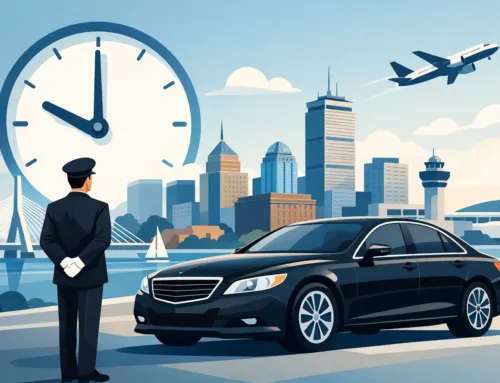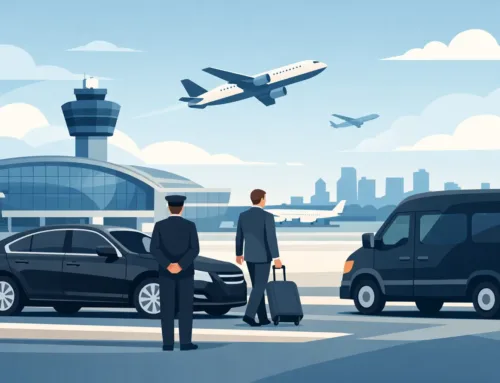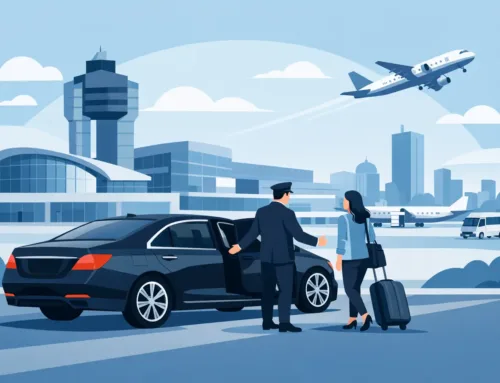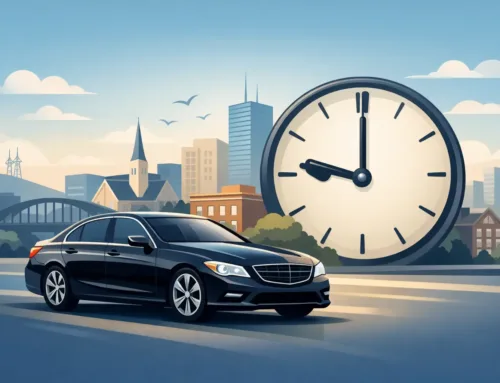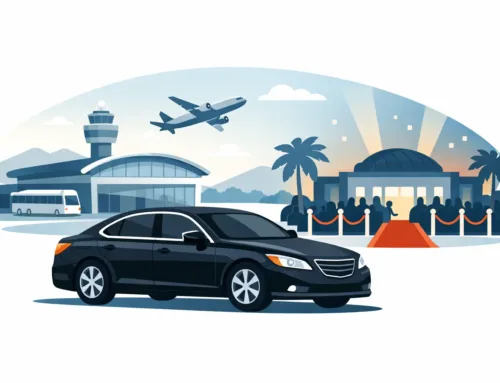
A gala can have flawless catering, a sharp guest list, and a venue that impresses from the curb. If the transportation falls apart, people remember the delay, the confusion, and the awkward arrival. That is why luxury event transportation is not a cosmetic extra. It is part of the event itself.
For clients planning weddings, executive dinners, private celebrations, and high-visibility nights out, the ride sets the tone before anyone steps inside the room. It also determines how smoothly the evening moves once the schedule starts tightening. The difference between basic car service and a true luxury experience usually comes down to timing, vehicle fit, chauffeur standards, and the ability to manage change without creating stress for the client.
What luxury event transportation actually delivers
At the highest level, luxury event transportation does three jobs at once. It moves people efficiently, protects the guest experience, and gives the host one less problem to manage. That sounds simple, but event travel rarely is.
Guests may be arriving from different hotels. A bridal party may need multiple pickups with a strict photo timeline. A corporate group may need to leave a dinner in waves rather than all at once. A stadium event can create traffic that turns a short ride into a planning issue. Premium transportation is valuable because it accounts for those realities before they become disruptions.
The expectation is not just a clean vehicle and a driver who shows up. The expectation is a licensed, insured chauffeur who understands timing, discretion, and presentation. It is a reservation handled correctly the first time, with the right vehicle assigned, the route considered in advance, and communication that feels calm rather than reactive.
Where luxury event transportation matters most
Some events are more forgiving than others. A casual dinner reservation can survive a late arrival. A wedding ceremony cannot. An executive client headed to a private event at Fenway Park or a hosted night near the Seaport is not looking for uncertainty, either.
Weddings are the clearest example. Transportation needs to support hair and makeup schedules, church or venue arrival windows, photo locations, family movement, and the final departure. One overlooked detail, like underestimating passenger count or not planning for dress space, can affect the entire day.
Corporate events have a different pressure. Image matters, but efficiency matters more. Executives, clients, and VIP guests expect a polished vehicle, a professional chauffeur, and zero confusion at pickup. If attendees are traveling between Boston and Cambridge for meetings before an evening event, or continuing on to Logan after the program ends, transportation has to work around business priorities, not the other way around.
Social events sit somewhere in the middle. Birthday dinners, concerts, charity galas, and sporting events often involve groups who want the evening to feel elevated without becoming logistically messy. In those cases, luxury service is less about formality and more about removing friction. Nobody wants to coordinate rideshares on a crowded sidewalk after a concert or wonder who is driving back from Foxborough.
Choosing the right vehicle for the event
The best vehicle is not always the most expensive one. It is the one that fits the group, the setting, and the pace of the day.
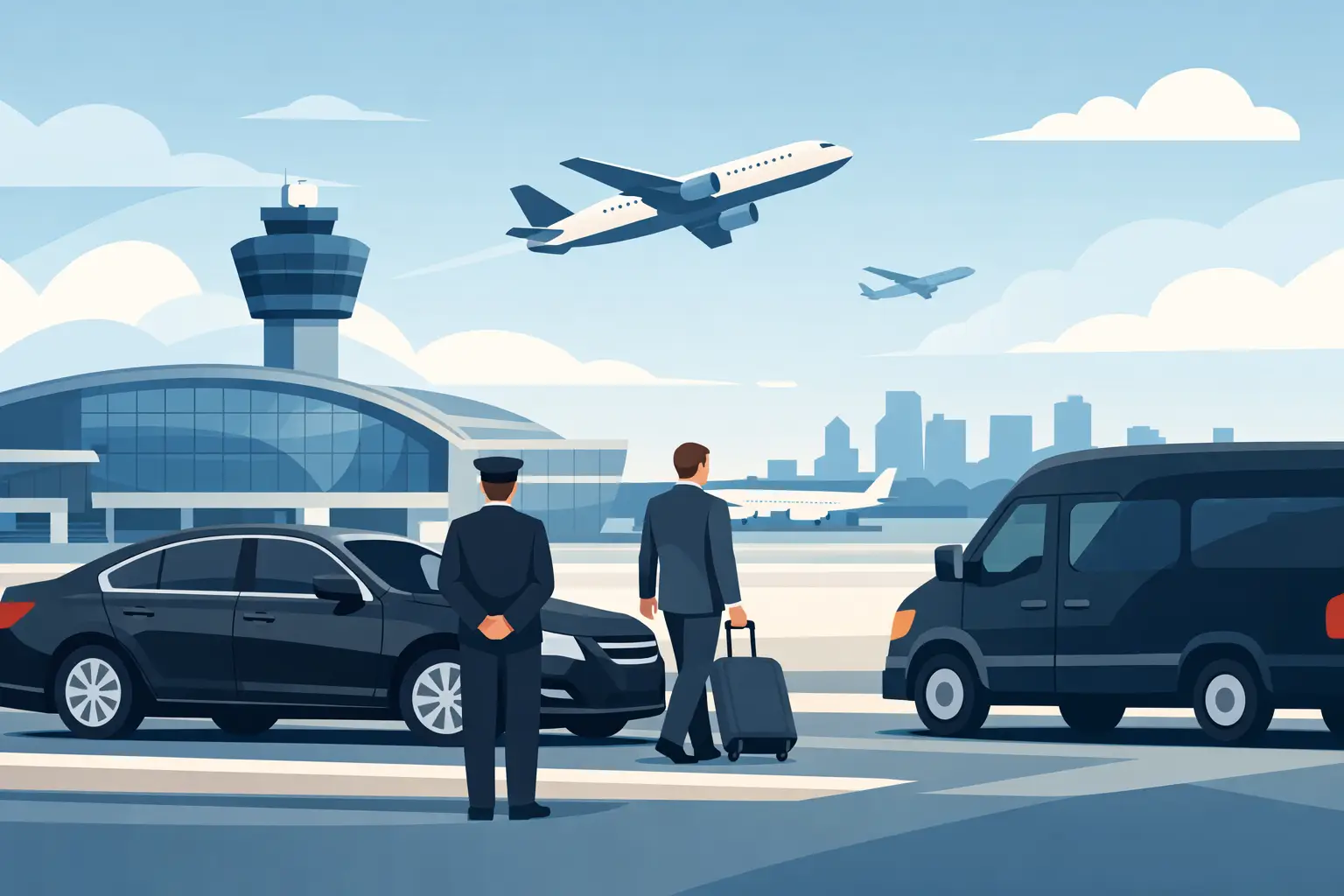
A sedan works well for couples, individual executives, or VIP arrivals where privacy is the priority. An SUV often makes more sense for small groups, airport-to-event transfers, or occasions where extra space helps with luggage, formalwear, or comfort. Sprinter vans are ideal when a group needs to stay together and arrive at once, especially for wedding parties, corporate teams, or family celebrations. Limousines still have a place, particularly when the event calls for a more classic statement arrival.
There is a trade-off here. Larger vehicles improve coordination, but they can be less practical at certain venues or tighter city pickup points. Smaller vehicles feel more discreet and efficient, but splitting a group into too many cars can complicate the schedule. Good planning means balancing style with logistics rather than choosing on appearance alone.
Timing is the real luxury
People often associate premium transportation with leather interiors, bottled water, and a refined ride. Those details matter, but timing is what clients actually pay for.
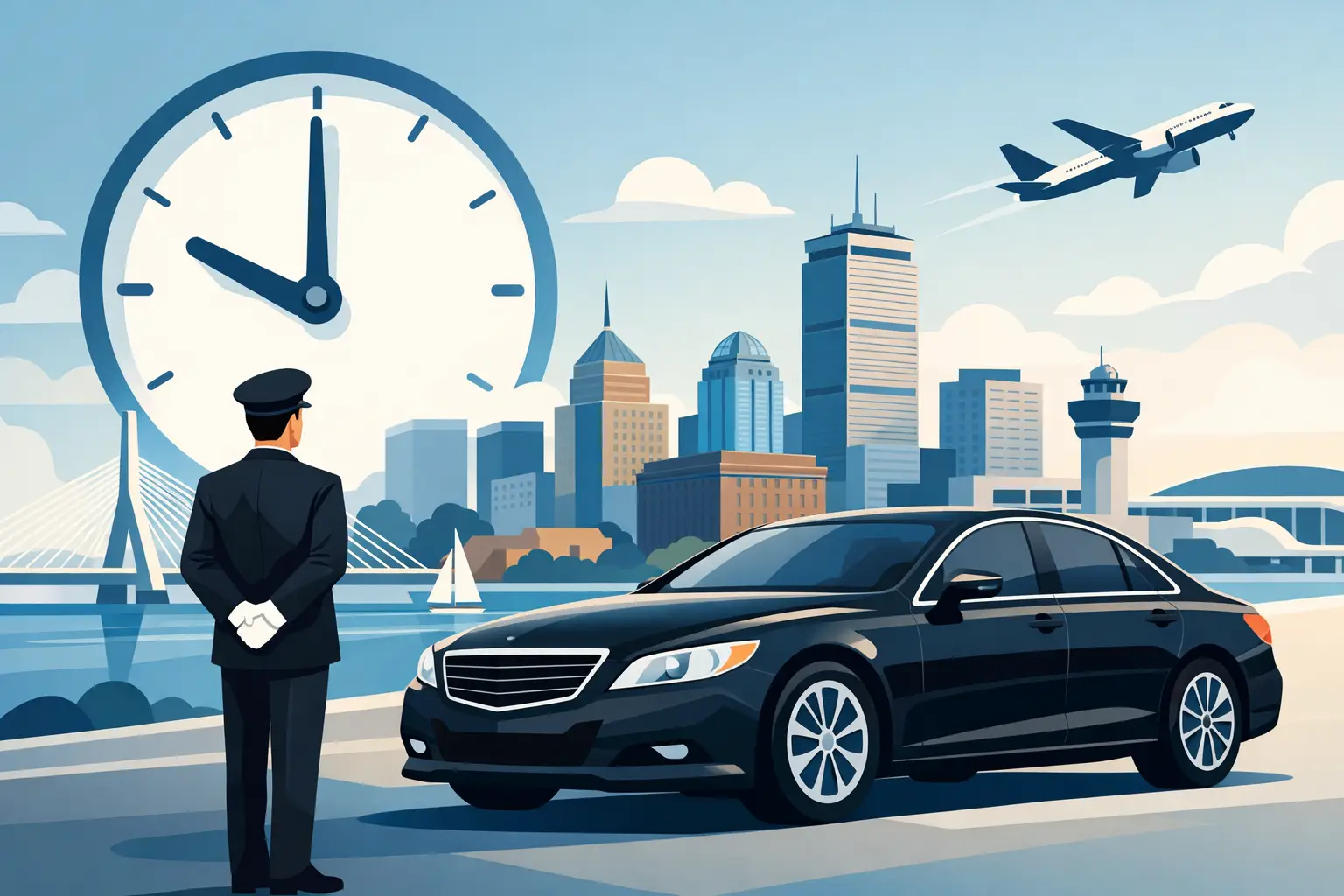
A professional event chauffeur does not simply arrive at the listed pickup time. The route is considered in advance. Venue access is reviewed. Traffic patterns, security restrictions, and post-event congestion all matter. For airport-connected events, flight tracking can also be the difference between a smooth pickup and a costly delay.
That becomes especially important in Massachusetts, where event transportation can shift quickly based on weather, downtown traffic, sports schedules, and seasonal travel. A ride from Logan to a hotel before an evening function is not complicated on paper. Add a delayed flight, tunnel traffic, and a narrow arrival window, and the value of active trip management becomes obvious.
Luxury, in practical terms, means the client does not have to solve those problems in real time.
The service standard guests notice
Most guests cannot tell you the engine size of the vehicle they rode in. They can tell you whether the chauffeur was polished, whether the cabin felt quiet and comfortable, and whether the arrival felt organized.
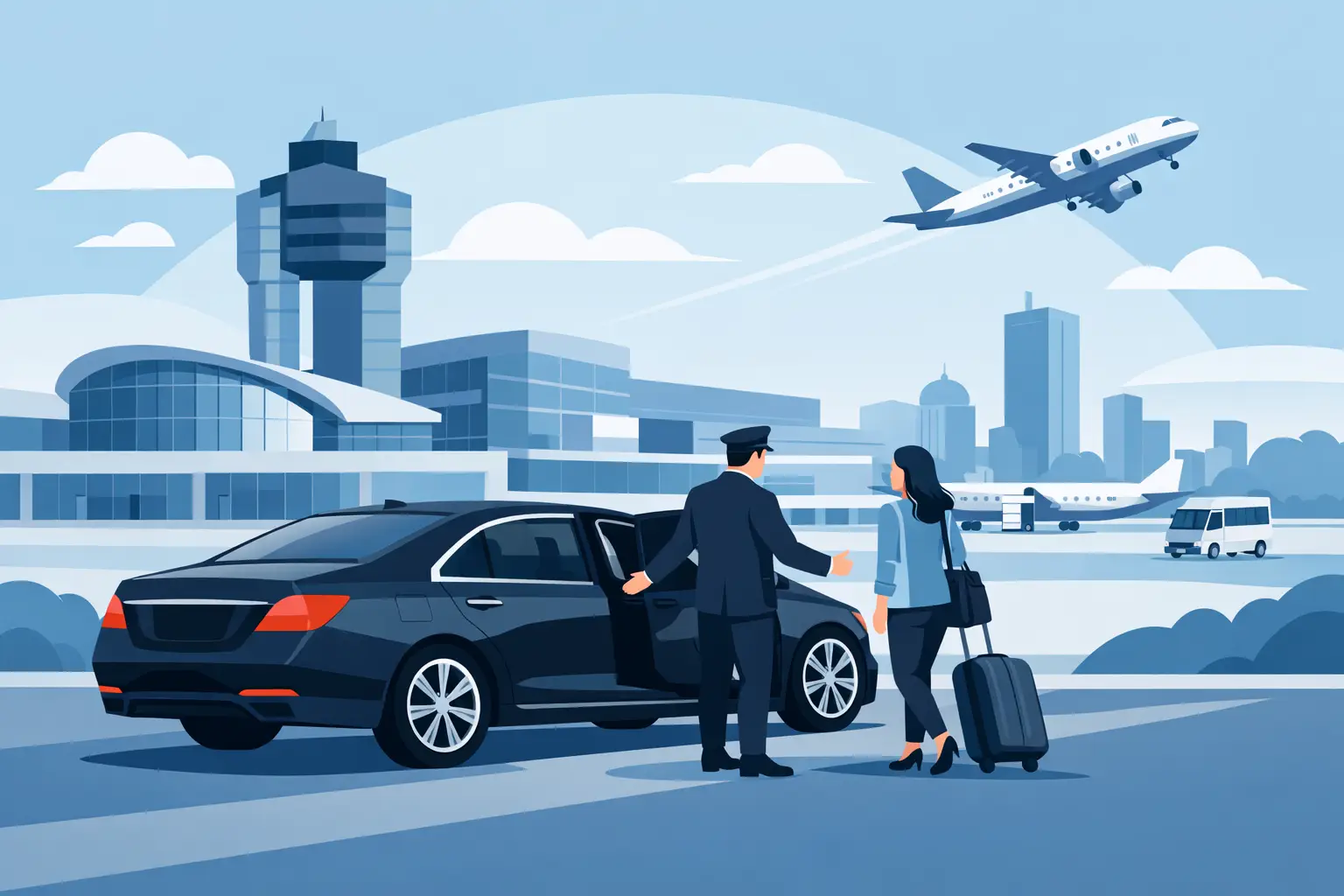
That is why service standard matters as much as fleet quality. A premium experience should feel composed from reservation to drop-off. Confirmations should be clear. Pickup instructions should make sense. Chauffeurs should be courteous, appropriately dressed, and attentive without being intrusive.
Discretion is especially important for executive and private social clients. Some want conversation. Others want silence, privacy, and a ride that stays in the background. A skilled chauffeur reads that correctly. The service should feel present when needed and invisible when not.
This is where established providers stand apart from casual or app-based options. Event transportation is not just about getting a car assigned. It is about having one team responsible for the ride, the schedule, and the standard of care.
Why booking late can cost more than money
The biggest mistake clients make with luxury event transportation is treating it like an item that can be finalized at the end. By that point, the best vehicles may be booked, venue instructions may still be unclear, and the transportation plan may be built around assumptions rather than the actual event flow.
Late booking often leads to compromises. You may end up with the wrong vehicle mix, awkward staging, or less flexibility if the schedule changes. During wedding season, prom season, and peak weekends tied to major Boston events, availability can tighten fast.
Early planning does not mean overcomplicating the process. It means securing the right capacity, confirming timing, and giving the transportation team enough information to do the job well. Even a simple event benefits from that approach.
When a regional provider makes more sense
Not every event begins and ends in one city. Guests may fly into Logan, stay in Boston, attend an event in Newport, continue to Cape Cod, or return after a late evening from a venue outside the city. Multi-stop and cross-region itineraries call for more than a nice car. They require operational consistency.
That is where a company built around private ground transportation across Greater Boston and New England brings real value. Black Limo Boston, for example, serves clients who need one team to handle airport pickups, event transfers, and longer-distance trips without handing the reservation off between providers. For clients who care about control, that matters.
The benefit is not flashy. It is practical. One reservation process, one service standard, and one accountable team handling the ride.
Luxury event transportation should reduce decision fatigue
The best transportation experience is the one the host barely has to think about after booking. That does not happen by chance. It happens when the provider asks the right questions early, recommends the right vehicle mix, and treats punctuality as a requirement rather than a selling point.
For some events, that may mean a single SUV for a couple headed to a formal dinner. For others, it may mean multiple vehicles, staggered returns, and airport coordination the next morning. There is no one-size-fits-all formula, and that is exactly the point. Good event transportation is tailored, not improvised.
When the cars arrive on time, the chauffeurs know the plan, and guests feel taken care of from curb to curb, the entire event feels more polished. That is what people remember. Not just that they arrived in style, but that everything worked the way it should have.